Historical Overview
The Cameroon Development Corporation emerged from colonial plantation enterprises established by German colonizers in the late 19th century. These German estates cultivated tropical crops like cocoa, rubber, oil palm, and bananas across fertile southwestern Cameroon. After World War I, the plantations changed hands multiple times due to shifting colonial powers, eventually becoming a unified public corporation in 1947 under British administration.
Formation and Early Years
The CDC was formally established by ordinances in 1946 and began operations in 1947. The corporation consolidated scattered ex-German plantations into a single state-managed entity designed to benefit local populations - an unusual mandate for colonial-era enterprises. This founding principle set the CDC apart from purely extractive colonial ventures.
Independence and Evolution
Following Cameroon’s independence and reunification in 1961, the CDC transitioned from colonial asset to national parastatal. The corporation adapted to post-colonial economic challenges and remained state-owned, distinguishing itself as one of few major plantation companies in Cameroon to maintain public ownership.
Current Operations and Impact
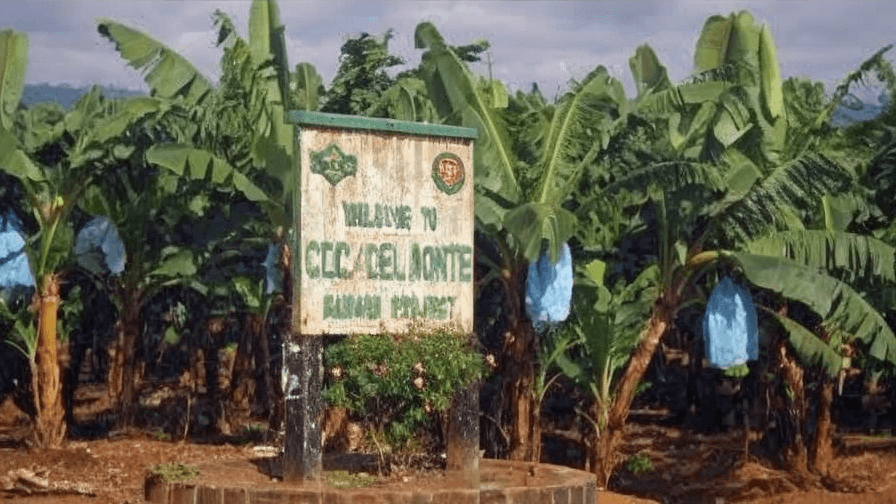
Today, the CDC operates approximately 41,000 hectares of productive land, cultivating three primary crops: rubber (22,000+ hectares), oil palm (15,000+ hectares), and bananas (4,500 hectares). The corporation employs roughly 16,000 workers and remains Cameroon’s second-largest employer historically. Its presence has shaped entire communities, building roads, schools, hospitals, and housing estates around its plantation operations.
The Makossa Brand Innovation
The CDC introduced the “Makossa” banana brand in 2009 - the first ever Cameroonian banana label aimed at European supermarkets. Named after traditional Cameroonian music, the brand represented a distinctive marketing strategy in global fruit markets and a statement of cultural pride.
Legacy and Lessons
The CDC’s journey mirrors Cameroon’s own - colonial origins, independence struggles, economic ups and downs, and the ongoing effort to build something lasting. For a tech company like Camsol, there are parallels worth noting: the importance of building institutions that outlast their founders, the value of investing in people alongside products, and the power of connecting local resources to global markets.