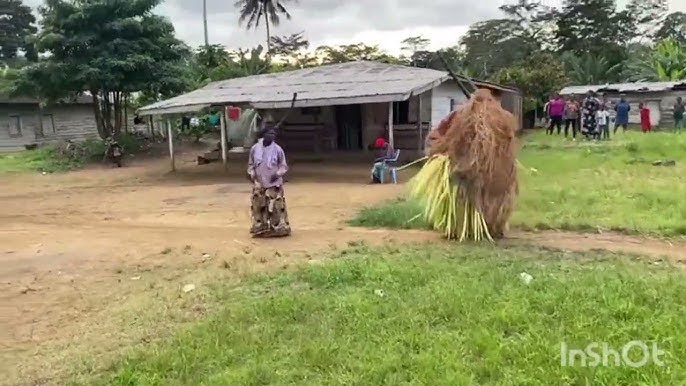
Musical and Spiritual Elements
The Elephant Dance derives its power from layered musical traditions. Multiple drums of varying sizes create rhythmic patterns that shift from slow, heavy booms during measured, stomping parts to fast, rapid-fire tempos during climactic sequences. Ankle rattles worn by performers add texture, while call-and-response vocals weave narratives connecting forest life with village existence. This immersive soundscape creates a state where the boundary between human and animal, village and wilderness, has blurred.
The ceremony also incorporates spiritual practices centered on protective charms and rituals. Practitioners claim these mystical preparations grant performers immunity from harm and enable extraordinary feats. Members believe in spiritual bonds linking their lives to specific wild elephants, forming a kind of pact between man and animal spirit. This belief system reinforces social codes - harming an elephant supposedly causes the linked person’s death.
Secrecy and Modern Challenges
The Malle Society operates as a strictly confidential organization. Membership in the Malle and other Bakweri secret societies is considered sacred and unfit for publishing, according to local documentation. Colonial authorities and missionaries historically suppressed these institutions, causing severe decline by the early 2000s.
Despite pressures, the society persists through private initiation ceremonies involving forest isolation, instruction, and symbolic offerings. This exclusivity maintains appeal among contemporary youth seeking connection to ancestral knowledge.
The challenges are real. Urbanization draws young people away from village life. Christianity and Islam have cast traditional practices as incompatible with faith. The forests where initiation ceremonies took place are shrinking due to plantation agriculture and development. Yet the Malle endures - adapted, reduced in scale perhaps, but unbroken in spirit.
Cultural Significance Today
The elephant symbolizes Bakweri resilience and spiritual unity. Each performance reinforces communal bonds and celebrates survival through historical challenges. For the Bakweri, the Malle is not merely entertainment or heritage tourism. It is a living institution that connects the present generation to ancestors, to the natural world, and to each other.
As Cameroon modernizes, traditions like the Malle face an uncertain future. But the hunger for cultural identity that drives young people to seek initiation suggests that the elephant dance will continue - perhaps in evolved forms - for generations to come. The question is not whether traditions survive, but how communities choose to carry them forward.